How to Prepare Your Floating Dock for Winter
What steps you can take to extend the life of your floating dock this winter
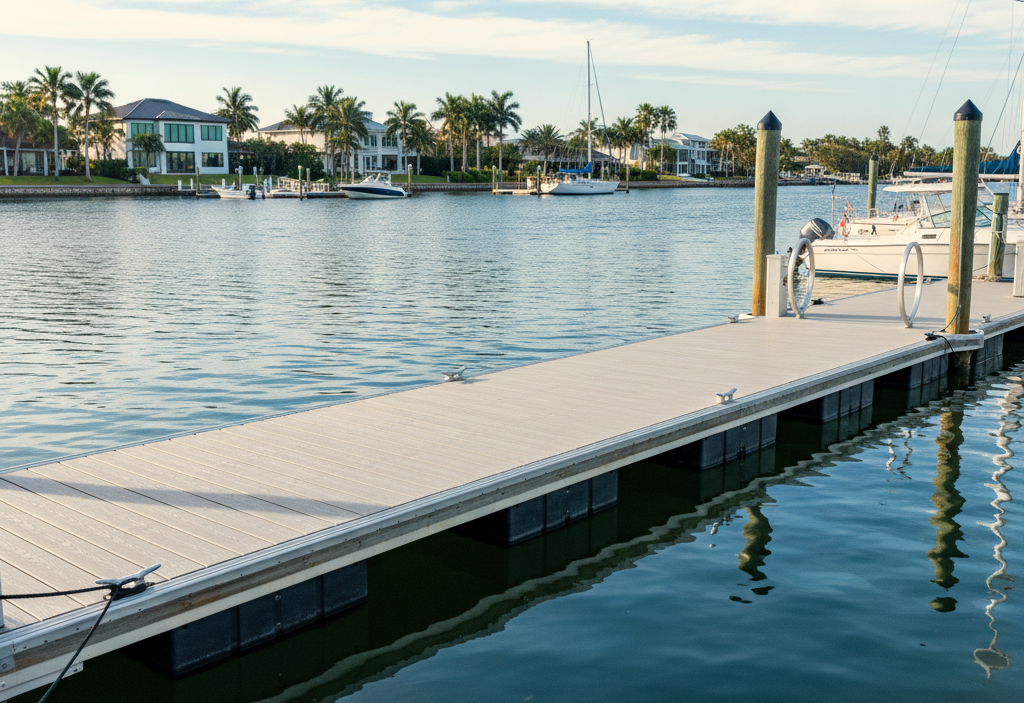
When you live in Tampa, “winter prep” probably isn’t the first thing that comes to mind for your dock. We don’t have frozen lakes or heavy snowstorms. But that doesn’t mean your floating dock gets a free pass.
Between storms, strong winds, saltwater, and shifting tides, winter can still be tough on your dock. Handle the small fixes now and avoid shelling out cash for major repairs later.
Follow these easy steps to keep your floating dock strong and ready all winter long.
1. Take a Good Look at Your Dock
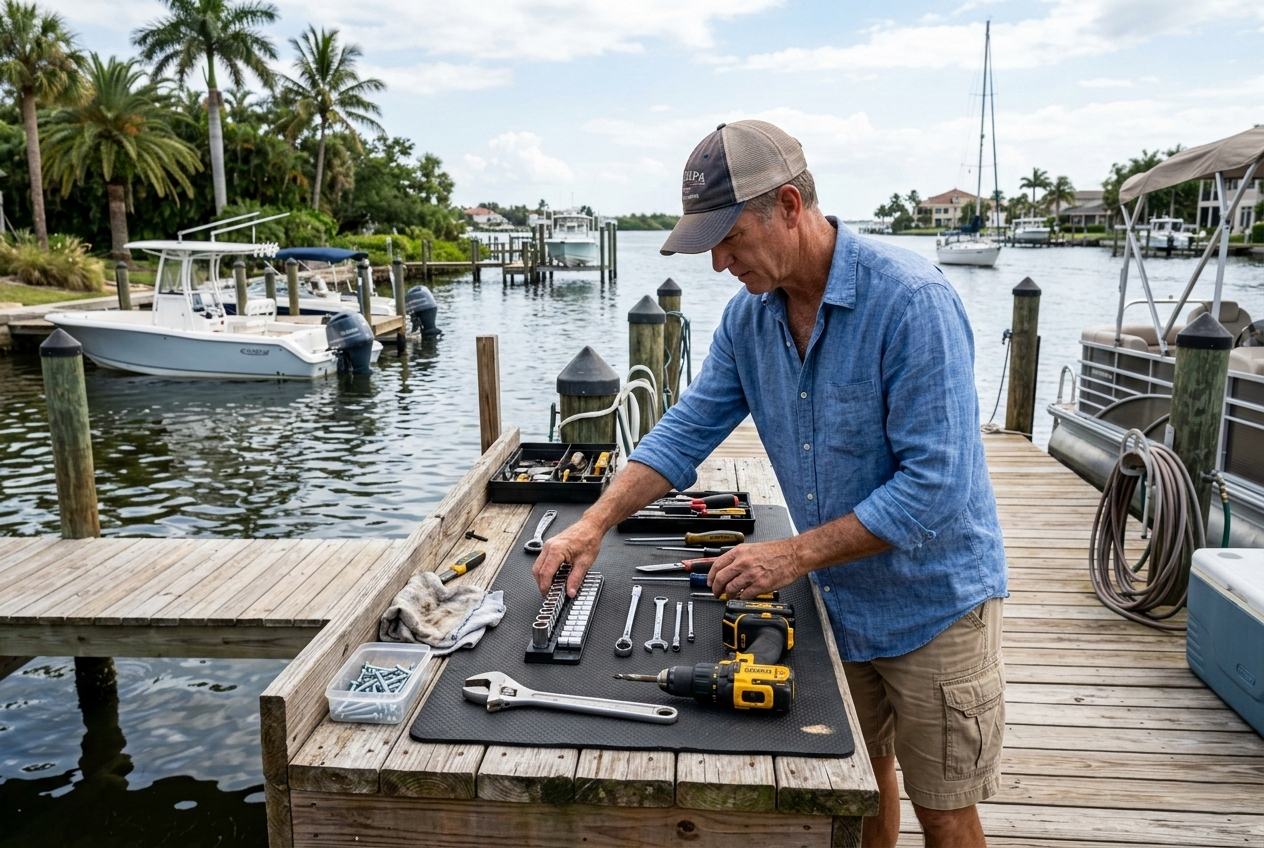
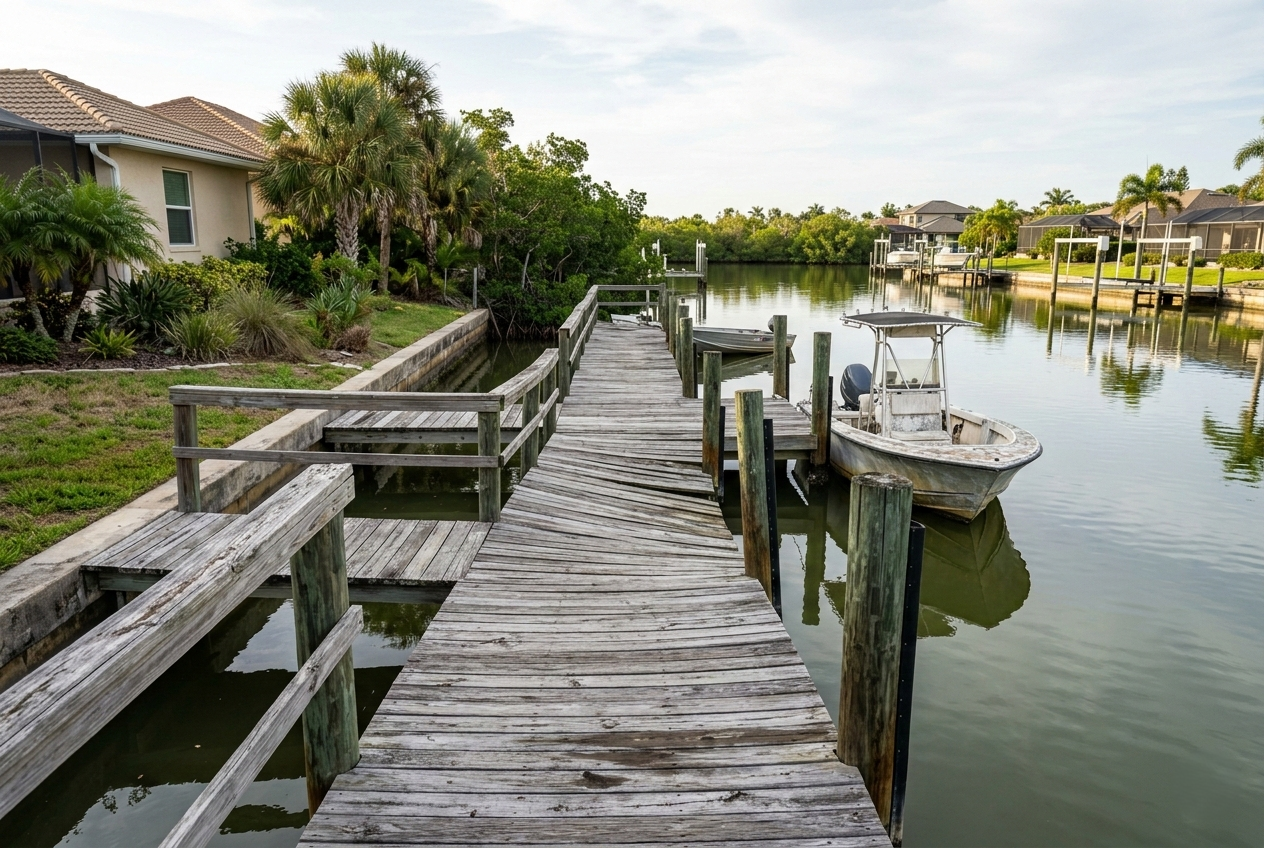
Start by walking the dock like you’re inspecting your car before a road trip. Notice anything that feels loose, wobbly, or off balance. Check the floats for cracks or signs of water inside. If the dock doesn’t sit straight or you spot rust on bolts and chains, now’s the time to deal with it before those little problems turn into big ones.
2. Give It a Good Cleaning
Even in cooler months, Tampa’s humidity means algae, mildew, and grime like to stick around. Sweep off leaves and branches, then give the surface a good rinse. A gentle scrub or a light pressure wash makes the dock safer to walk on and helps it last longer.
3. Protect the Metal
Think about how quickly things rust around saltwater — your dock is no exception. Tighten loose bolts and give the metal parts a quick spray with a marine rust protector. If something already looks badly corroded, it’s better to replace it now than risk a mid-season failure.
4. Decide if You’ll Leave It or Pull It Out
Here’s the big question: should your dock stay in the water or come out for winter?
- Most people in Tampa leave their docks in since we don’t freeze over.
- If you do, make sure to loosen the anchor lines so the dock can rise and fall with the tides. Add bumpers or fenders to protect it from floating debris when storms roll through.
- If you’d rather pull it out, you’ll have peace of mind, but you’ll need space to store the sections.
There’s no wrong choice — it depends on your setup and how much protection you want.
5. Store the Extras Inside
Anything removable is better off stored for the season. Ladders, lights, benches, cleats — take them off, clean them up, and keep them in a dry place. That way they’ll be in great shape when you’re ready to use them again.
6. Add a Little Extra Protection
If your dock stays in the water, a few extra touches go a long way. Bumpers keep it safe from floating debris, and reflective markers make it easier to see at night or during bad weather. Some dock owners even add a bubbler or de-icer to keep water moving — not usually necessary here, but it doesn’t hurt during those rare cold snaps.
7. Do One Last Walk-Through
Once you’ve cleaned, tightened, and secured everything, walk the dock one more time. Step on each section to make sure it feels steady. Double-check the anchor lines. That final walk-through gives you peace of mind knowing your dock is set for the season.
Why This Matters in Tampa
Our winters may be mild, but storms, saltwater, and tide changes can be just as hard on your dock as ice and snow are up north. Prepping now means fewer surprises later and a dock that lasts longer.
Final Thoughts
Taking care of your floating dock this winter doesn’t have to be complicated. Just remember: inspect it, clean it, protect the metal, decide whether to keep it in or take it out, store the extras, add protection if needed, and finish with a final check.
If you’d rather skip the hassle, our team at Tampa Dock Builders can take care of everything. We know the challenges of Tampa’s waters and weather, and we’ll make sure your dock is ready for whatever winter brings.
Reach out today and we’ll make sure your dock is safe, sturdy, and set for spring.
You might also like
Tampa Dock Blog