How to Inspect Your Dock After a Storm: A Tampa Homeowner’s Guide
What every Tampa homeowner should check on their dock after a storm
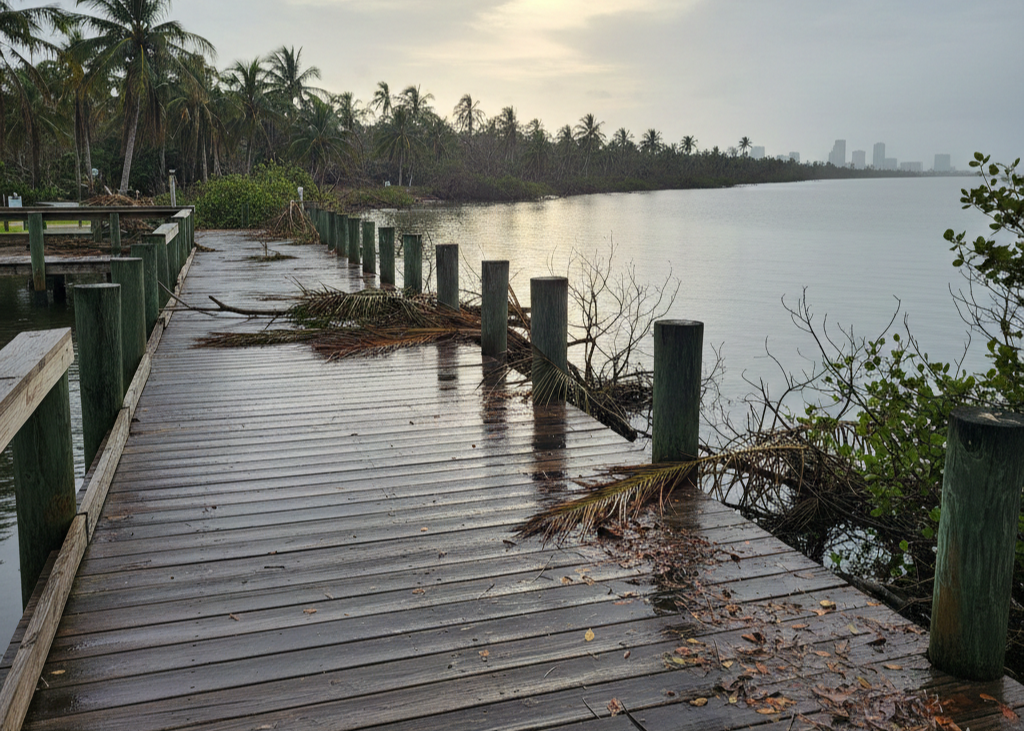
When the storms roll through Tampa, your dock can take a beating without you even realizing it. You might walk down and think, “Everything looks fine,” only to discover later that boards are warped, pilings are loose, or equipment has shifted. Post-storm damage isn’t always obvious, but ignoring it can be risky and expensive.
The good news? Inspecting your dock doesn’t have to be complicated. With a careful eye and a few simple steps, you can spot problems early, keep your dock safe, and protect your waterfront investment. Here’s how to do it the smart, easy way.
Start with Safety
Before stepping onto your dock, take a moment to scan from the shore. Look for floating debris, broken boards, or anything that seems unstable. Storms can leave hidden hazards, so don’t rush. Slip on boots, put on gloves, and consider a life jacket if you’re near the water. A few minutes of caution now can prevent a big accident later.
Document What You See
Before touching anything, grab your phone or camera. Walk around the dock (from a safe distance) and take pictures or videos of:
- Decking and boards
- Pilings and supports
- Ladders, cleats, and boat lifts
- Any visible debris
These records are helpful if you need insurance or professional repairs.
Inspect the Decking
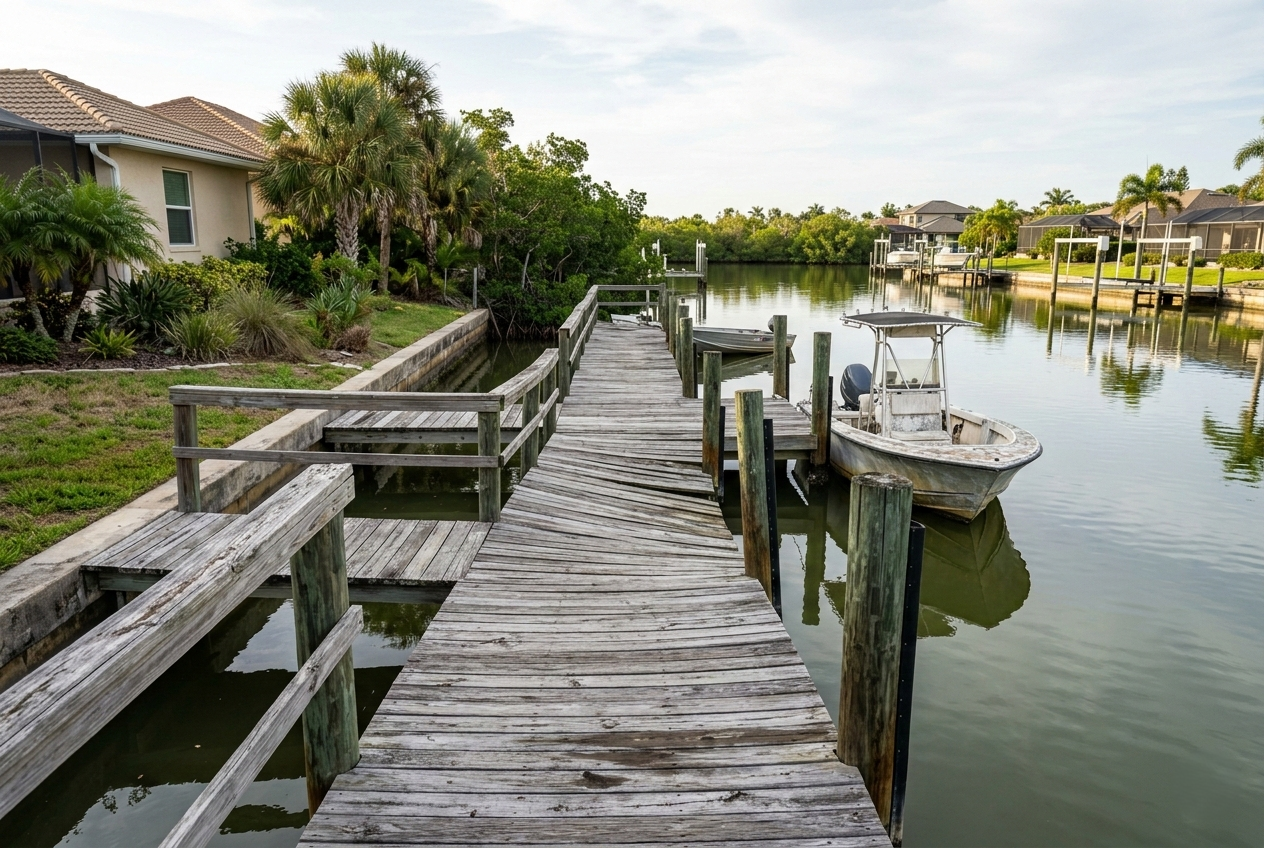
Walk slowly along your dock and check each board. Look for cracked, warped, or splintered wood. Notice any loose screws or bolts, and keep an eye out for slippery algae patches. A small problem today can become a big repair tomorrow if left unchecked.
Examine Hardware and Connections
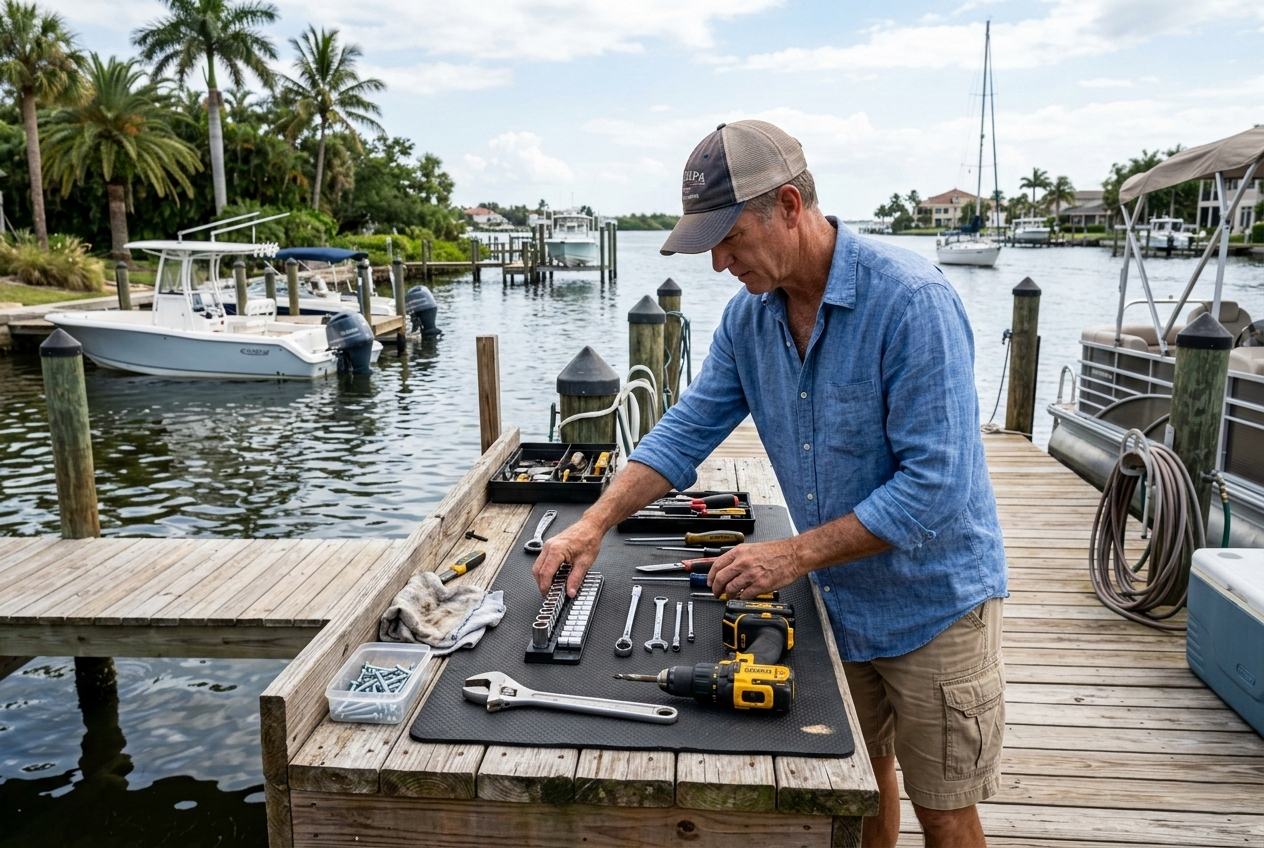
Your dock’s strength comes from its hardware. Check cleats, brackets, and bolts to make sure nothing is loose, bent, or rusted. Replacing or tightening a few pieces now can save you from bigger headaches later.
Check Pilings and Anchoring
Pilings are the backbone of your dock. After a storm, see if any are leaning, cracked, or showing signs of erosion. For floating docks, inspect the anchor cables—they need to be tight and secure. Strong pilings and anchors ensure your dock stays safe in the next storm.
Inspect Floatation (for Floating Docks)
If you have a floating dock:
- Make sure floats are level and not waterlogged
- Check for any unusual movement or sloshing sounds
Water inside a float reduces stability and could cause uneven decking.
Evaluate Electrical Systems
Saltwater and storms can damage electrical wiring. Before restoring power, inspect outlets, lights, and any exposed wiring. If anything seems unsafe, call a licensed marine electrician. Electricity around water is no joke—safety first.
Check Accessories and Equipment
Storms can move ladders, bumpers, cleats, and boat lifts. Walk around and ensure everything is still secure and functioning. Fixing small issues now can prevent accidents or costly repairs later.
Clear Debris Safely
Storms leave branches, trash, and silt around your dock. Remove debris carefully using a long pole or boat hook rather than climbing under unstable areas. Avoid metal tools that could damage your dock or floats.
Plan Repairs and Reinforcements
After your inspection, prioritize what needs immediate attention versus what can wait. Consider upgrades like:
- Rust-resistant hardware
- Stronger anchor systems
- Modular floats for floating docks
Even if the damage seems minor, a professional inspection ensures nothing is overlooked.
Final Thoughts
Checking your dock after a storm doesn’t have to be stressful. Take it step by step, look closely, and document what you find. A little time now can prevent a lot of frustration later—and help you keep enjoying your waterfront life safely.
If you’re in Tampa and want a professional, thorough post-storm dock inspection or repair, Tampa Dock Builders can help. They know exactly what to look for and can make sure your dock is safe, sturdy, and ready for whatever the Florida weather throws next.
Contact us today!
You might also like
Tampa Dock Blog